Servo Voltage Stabilizers Manufacturers in Delhi NCR
Date: Oct-27-2025
Home Blogs
In a fast-paced region like Delhi NCR, where industries, offices, and homes depend heavily on electricity, maintaining a stable and reliable voltage supply has become a necessity. Voltage fluctuations are not just inconvenient—they can be costly, damaging sensitive equipment and disrupting production. That’s where a servo voltage stabilizer comes in, offering a dependable way to achieve consistent power quality and safeguard electrical systems.
This article explores everything you need to know about servo voltage stabilizers, their importance, how to choose the right manufacturer in Delhi NCR, and why investing in one is a smart decision for your business or facility.
Delhi NCR, being one of the most industrially active regions in India, experiences frequent voltage fluctuations due to high demand and variable supply conditions. These fluctuations can:
A servo voltage stabilizer plays a crucial role in ensuring voltage fluctuation protection. By continuously monitoring and adjusting incoming voltage, it maintains a steady output, allowing equipment to operate efficiently and safely, regardless of input irregularities.
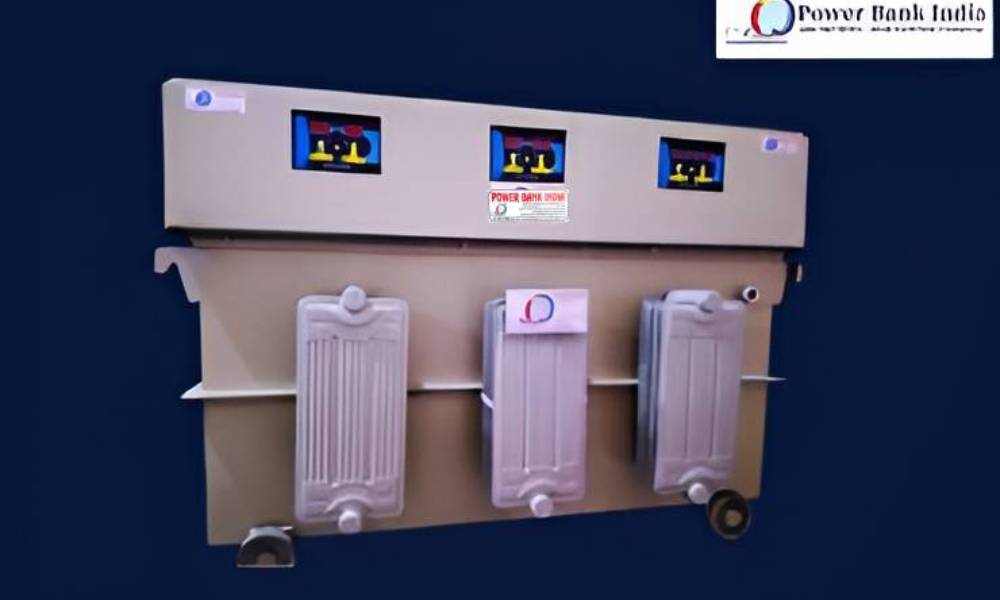
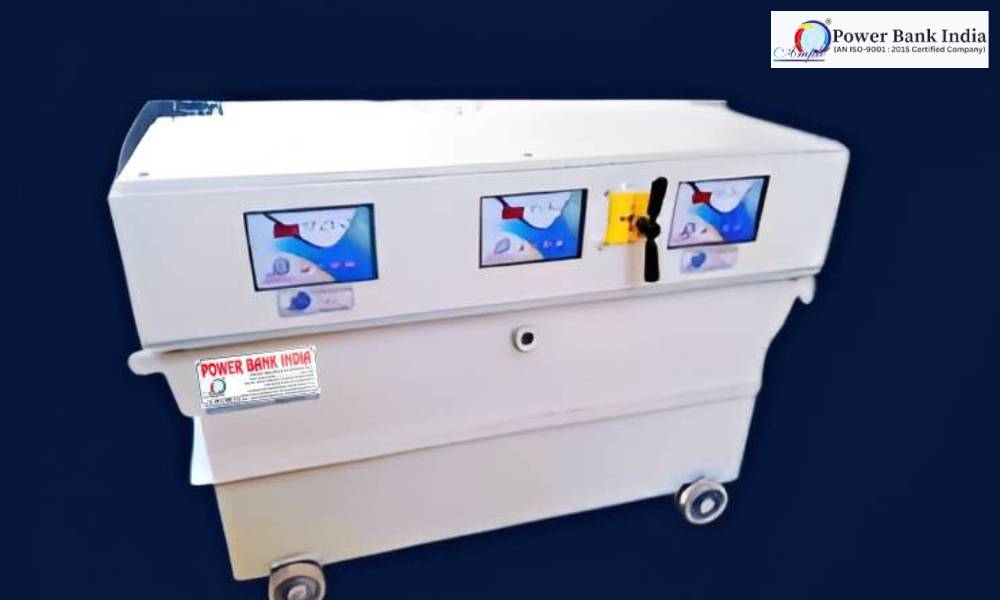
A servo voltage stabilizer is an electromechanical device that uses a servo motor to maintain a constant voltage level. Unlike conventional stabilizers that switch between fixed taps, a servo stabilizer provides continuous correction, delivering smoother and more precise voltage control.
This closed-loop operation ensures voltage accuracy, typically within ±1%, making it ideal for sensitive and heavy-duty applications such as CNC machines, laboratories, hospitals, printing presses, and manufacturing plants.
Servo voltage stabilizers are used in almost every sector where stable power is critical:
Regardless of scale, the stabilizer’s goal remains the same—maintaining industrial power conditioning that ensures your equipment receives the voltage it’s designed for.
Servo stabilizers continuously correct voltage variations, providing highly accurate output. This precision ensures that sensitive machines operate under optimal voltage conditions.
Stable voltage reduces stress on electrical components, motors, and circuits, thereby extending their lifespan and reducing maintenance costs.
Voltage instability can cause sudden machine failures or resets. By preventing such incidents, servo stabilizers contribute to uninterrupted productivity.
While stabilizers consume a small amount of power, the reduction in energy losses from inefficient operations results in overall savings.
Built-in protection features shield equipment from overloads, short circuits, and phase imbalances, making your power system safer and more dependable.
When you decide to install a servo stabilizer, selecting the right manufacturer is key. Delhi NCR is home to several electrical equipment manufacturers, but not all offer the same level of quality, reliability, and service. Keep the following points in mind:
Choose a company that specializes in power conditioning systems and has experience designing stabilizers for your type of load—whether industrial, commercial, or residential.
Check whether the manufacturer follows ISO or BIS standards and provides test certificates for their equipment. A well-tested product guarantees consistent performance.
Every facility has unique voltage conditions and load requirements. Look for a manufacturer who can tailor the stabilizer’s capacity, input range, and protection features according to your needs.
Reliable after-sales service and readily available spare parts are crucial. Ensure the manufacturer offers quick technical support and maintenance contracts.
Reputation matters. Always check customer reviews, testimonials, and references before finalizing your purchase.
When consulting a manufacturer, you’ll need to determine the following parameters:
By sharing these details, you’ll enable the manufacturer to design the most suitable servo voltage stabilizer for your facility.
As Delhi NCR continues to expand industrially and commercially, the demand for reliable industrial power conditioning solutions is rising sharply. Several trends define the future of this sector:
These innovations make servo stabilizers not just protective devices but integral parts of modern electrical infrastructure.
Among the notable servo voltage stabilizer manufacturers in Delhi NCR, Power Bank India stands out for its engineering excellence, precision manufacturing, and focus on customer satisfaction. The company designs and supplies high-performance servo stabilizers that cater to a wide range of industrial and commercial requirements. Their solutions emphasize durability, efficiency, and complete voltage fluctuation protection, making them a trusted choice for those seeking reliable power conditioning systems.
Following these steps ensures long-term performance and reliability from your servo voltage stabilizer.
Unlike relay-based stabilizers, a servo voltage stabilizer uses a servo motor for continuous voltage correction. This provides smoother and more accurate voltage control, ideal for sensitive and heavy-duty equipment.
Preventive maintenance should be carried out every six to twelve months. Regular servicing ensures stable performance and early detection of issues like overheating or component wear.
Yes, indirectly. By maintaining optimal voltage, equipment runs more efficiently, reducing wastage and prolonging component life, which translates to lower energy and repair costs.
The stabilizer’s size depends on the total load in kVA or kW and your site’s voltage fluctuation range. Consult a professional to assess your requirements accurately before purchasing.
Yes, especially in areas with wide voltage fluctuations or where you have high-end appliances and home automation systems. However, they’re most beneficial for industrial and commercial setups where equipment sensitivity is higher.
In the ever-growing industrial and commercial hub of Delhi NCR, ensuring uninterrupted and stable power is more important than ever. A servo voltage stabilizer is not just an accessory—it’s an essential part of your electrical infrastructure that safeguards productivity, efficiency, and long-term investment.
By choosing a reputable manufacturer, prioritizing quality, and understanding your power requirements, you can achieve total voltage fluctuation protection and long-term savings. Modern stabilizers offer more than just voltage control—they deliver smart, efficient, and durable industrial power conditioning that keeps your systems running smoothly, 24/7.
© 2025 Power Bank India All Right Reserved.
Designed By Trade4asia